Logos in the World of Manga
Logos in the world of manga are not just simple drawings, but symbols filled with meaning. Every curve, color, and graphic element is meticulously chosen to convey the essence of the work it represents. These emblems become flag bearers, allowing fans to instantly recognize their favorite series.
Behind each logo lies a story, a subtle message, or a cultural reference. Creators often integrate nods to historical elements, myths, or philosophies. By deciphering these symbols, one gains access to a deeper and more enriching dimension of manga.
The Origins and Meanings of Logos in Manga
Manga logos often find their roots in deep cultural and historical references. Take the example of Dragon Ball, where Goku’s Kai symbol represents wisdom and mastery of martial arts, a tribute to the ancient traditions of Japan and China.
In the world of One Piece, the Jolly Roger is not just a simple pirate flag; it is a true banner of freedom and adventure. The One Piece symbol embodies the spirit of rebellion and the quest for the unknown, a recurring theme that resonates with generations of readers.
Symbol and Identity of Series
Logos quickly become identity markers for manga series. Here are some notable examples:
- Hidden Leaf Village Symbol from Naruto: a symbol of loyalty and belonging to a community.
- Fairy Tail Guild Logo: embodies camaraderie and collective strength.
- Ouroboros from Fullmetal Alchemist Brotherhood: symbolizes eternity and the infinite cycle of life and death.
Impact on Fans
Logos play a fundamental role in fan loyalty. Through merchandise, tattoos, or cosplays, they become emblems of passion and belonging. In series like Tokyo Avengers, the Tokyo Manji Gang Symbol is adopted by fans, not only as a sign of recognition but also as a way to express their own identity.
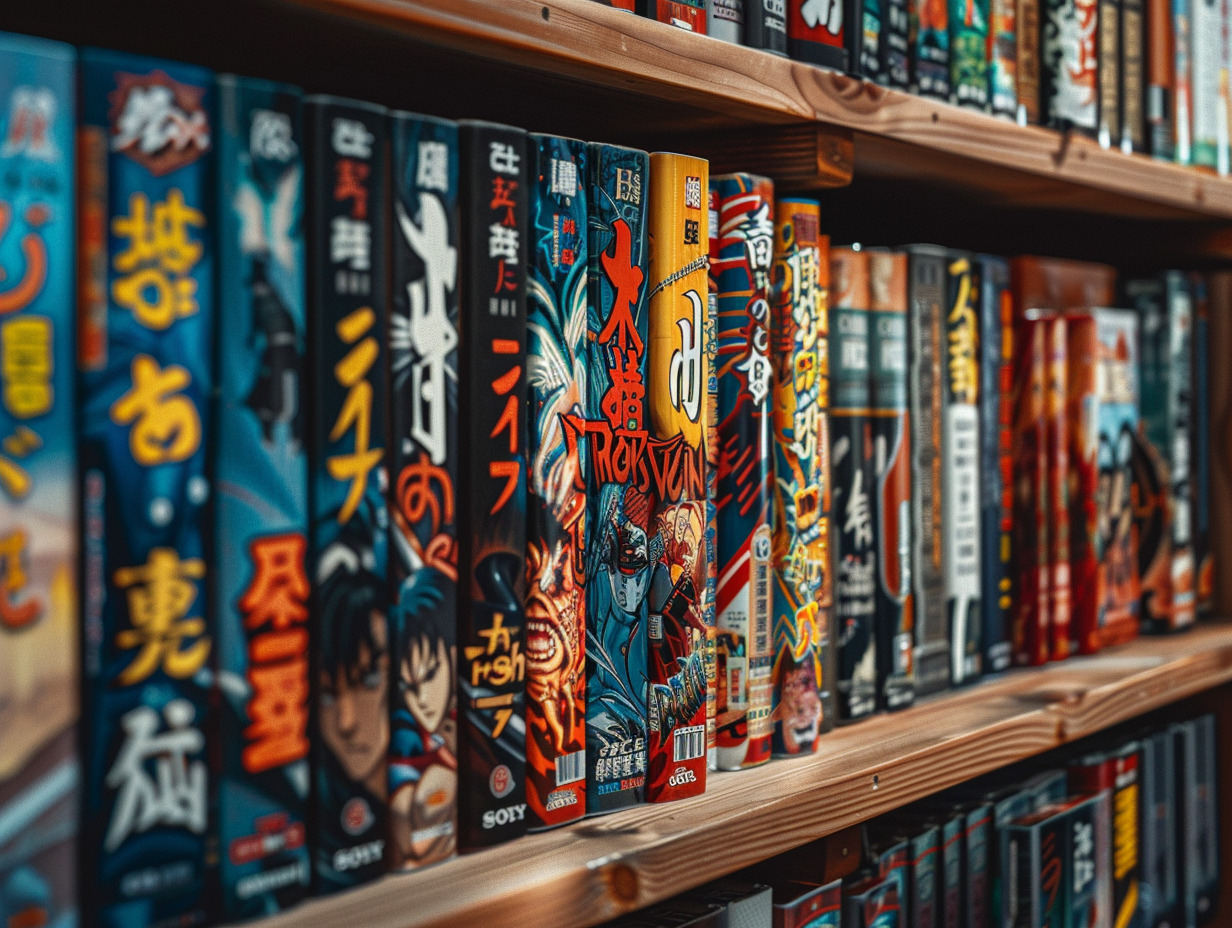
Creation Techniques and the Impact of Logos on Fans
The design of logos in the world of manga relies on specific techniques. Creators often draw inspiration from historical and cultural symbols to give depth and meaning to their works. The Kai symbol of Goku in Dragon Ball is a striking example. Manga artists use simple yet powerful graphic elements to capture the essence of characters and stories.
Creation Techniques
The creation techniques for logos unfold in several major steps:
- Historical and cultural research to ensure authentic meaning.
- Initial sketch and validation with the main author.
- Digital refinement to ensure clarity and versatility of the symbol.
- Recognition testing with small groups of fans before the official launch.
In series like Naruto, the Hidden Leaf Village Symbol was carefully crafted to represent loyalty and belonging, core values of the narrative.
Impact of Logos on Fans
Manga logos have a profound impact on fans, transcending their initial role as mere visual identifiers. Followers adopt these symbols as personal emblems. The Pokéball from the Pokémon series is a perfect example: it symbolizes not only the capture of creatures but also a strong emotional connection to the childhood of many fans.
Symbols become markers of community and identity. The Tokyo Manji Gang Symbol in Tokyo Avengers embodies rebellion and the spirit of camaraderie, recurring themes that resonate with younger generations. Logos, through their simplicity and evocative power, create lasting connections between works and their audiences.
| Series | Symbol | Meaning |
|---|---|---|
| Dragon Ball | Goku’s Kai Symbol | Wisdom and mastery of martial arts |
| Pokémon | Pokéball | Capture and emotional connection |
| Naruto | Hidden Leaf Village Symbol | Loyalty and belonging |
| Tokyo Avengers | Tokyo Manji Gang Symbol | Rebellion and camaraderie |