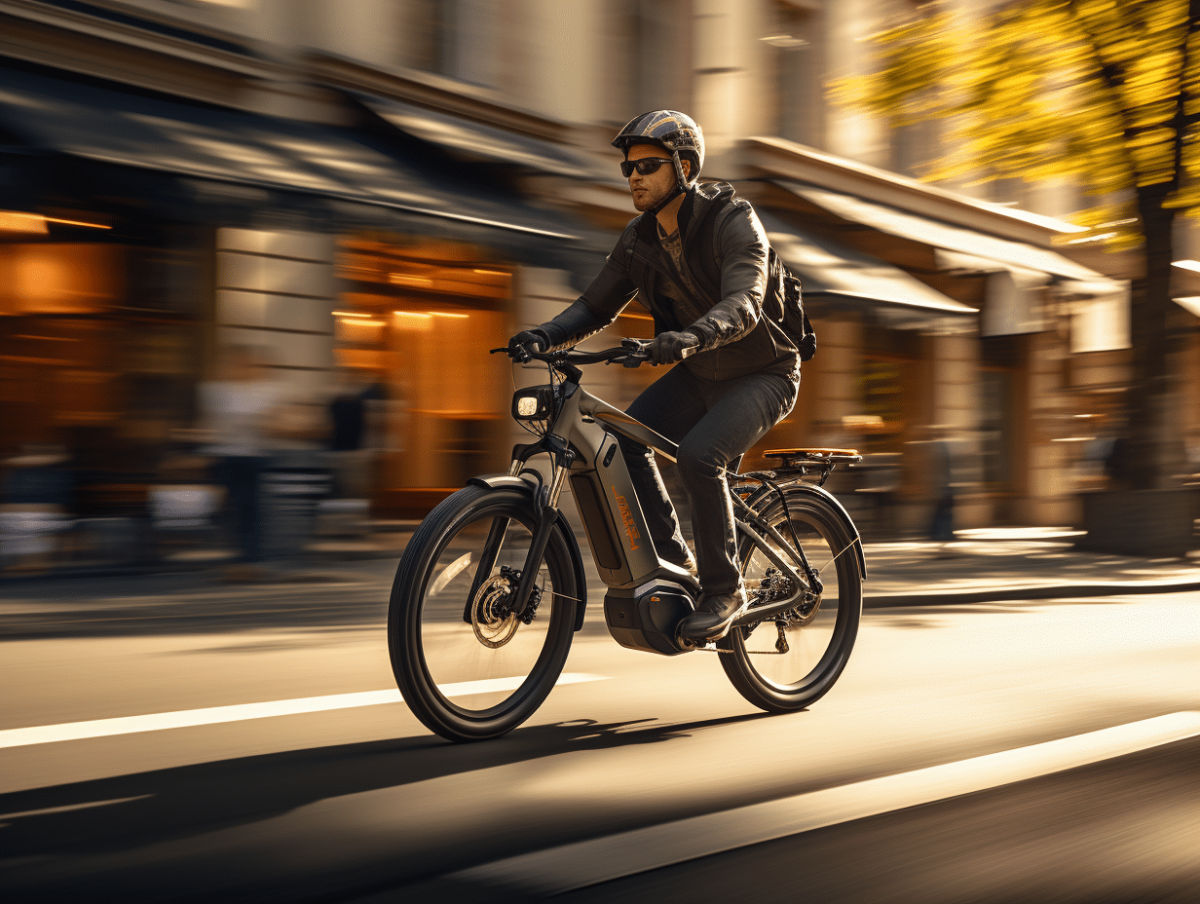
Automobile brands, traditionally synonymous with four-wheeled vehicles, are now embracing a broader vision of mobility. In a quest for innovation and sustainable development, these industry giants are turning to the two-wheeler segment. With concepts that combine cutting-edge technology and futuristic design, they are offering electric motorcycles and bicycles that promise to revolutionize our way of moving in urban environments. These incursions reflect an adaptive strategy in response to changing markets, where flexibility and energy efficiency are becoming key criteria for a clientele increasingly aware of its ecological footprint.
Car brands and their foray into the world of two-wheelers
The landscape of mobility is transforming, and car manufacturers, aware of this evolution, are boldly venturing into the world of two-wheelers. BMW, for example, is strengthening its presence in this market with BMW Motorrad, developing futuristic concepts that build on their expertise in new mobility solutions. The BMW motorcycle thus becomes a technological showcase, merging performance with advanced aesthetics.
Players like Honda and Suzuki, already established in both fields, continue to innovate. Honda focuses on road safety and engine performance, while Suzuki is turning a new page in its history with projects that reinvent their production line. These brands, historically linked to motorcycles, are enriching their offerings by drawing on their automotive know-how, demonstrating a synergy between the two sectors.
As for Mercedes, the brand is not lagging behind and could eventually surprise the market with a Mercedes motorcycle, if rumors and enthusiasts’ expectations are to be believed. Beyond familiar boundaries, these major automotive brands are reshaping the contours of urban mobility, seeking to meet a growing demand for more agile and less polluting vehicles in urban spaces.
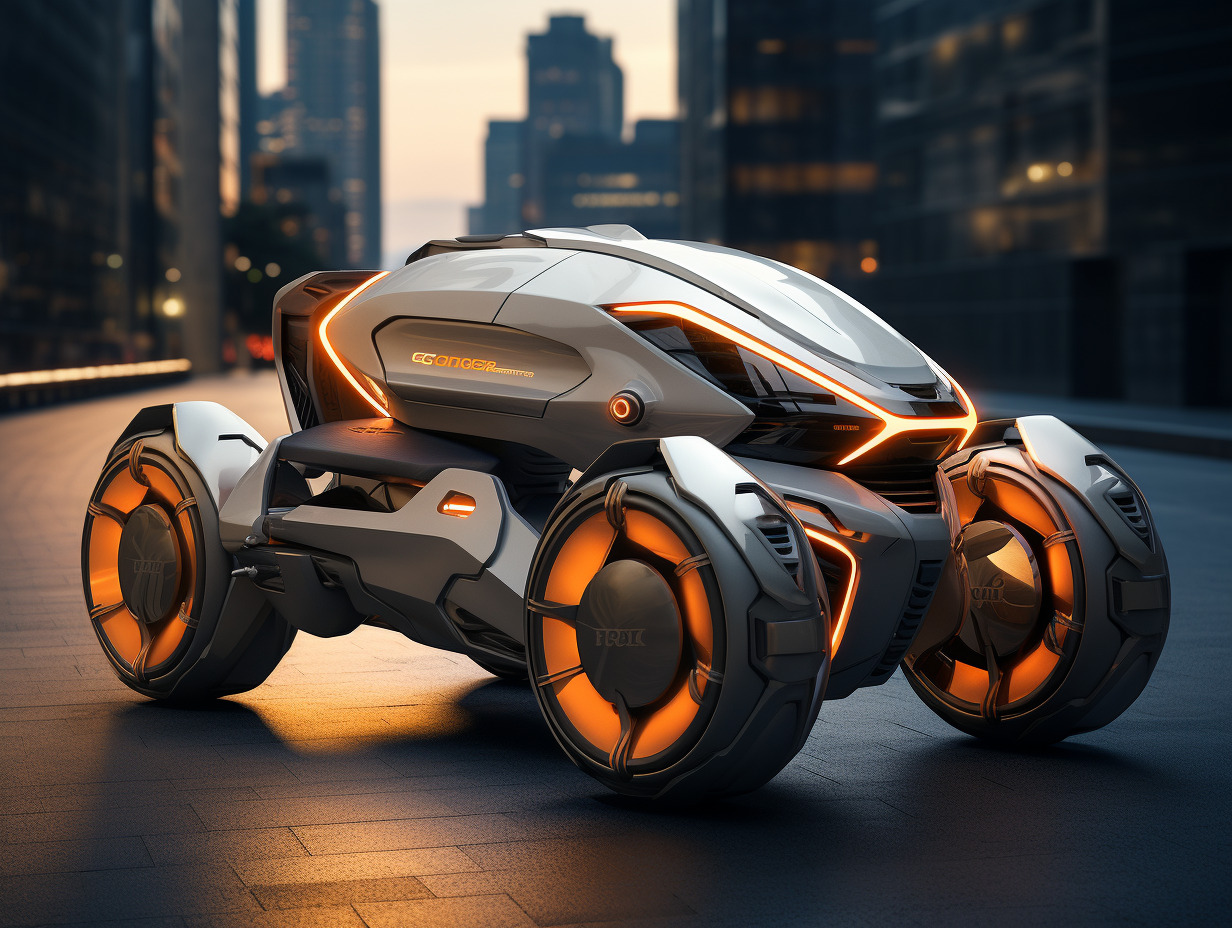
The technological and stylistic implications of this crossover between cars and motorcycles
As the traditional boundaries between automobiles and motorcycles blur, a technological and aesthetic revolution is on the horizon. The Lotus C-01, for example, is not just a retro nod to the legendary Lotus 49; it represents a reimagining of the motorcycle concept, with a design by Daniel Simon, known for his avant-garde vision. Consider this motorcycle as the embodiment of a fusion between heritage and innovation, where every curve and function reflects cutting-edge automotive craftsmanship.
Technology is also at the forefront: the Ferrari V4 is powered by a mechanical system inspired by the V12 of the Ferrari Enzo, a feat that not only pushes the limits of performance but also reinterprets motorcycle aesthetics with a characteristic touch of the prancing horse brand. The design by Amir Glinik evokes power and grace, reinventing the motorcycle in the image of what is expected from Maranello supercars.
Subaru, for its part, does not stop at four wheels and offers with the Kickboxer a bold vision, powered by a Subaru Impreza WRX engine. Here, the brand transposes its mastery of symmetry and driving force into a completely different format, pushing the boundaries of what is expected from a motorcycle. Designer Ian McElroy infuses this two-wheeler with the soul and robustness of Subaru’s iconic off-road vehicles.
Electric motorization is also making its mark in this sector with projects like the Porsche 618, a proposal that could revolutionize urban mobility. Imagined by Miguel Angel Bahri, this motorcycle combines the agility of a scooter with the sophistication of a Porsche electric car, envisioning a future where silence and energy efficiency are paired with design and performance.